Learning To Think Beyond Your Own Cards
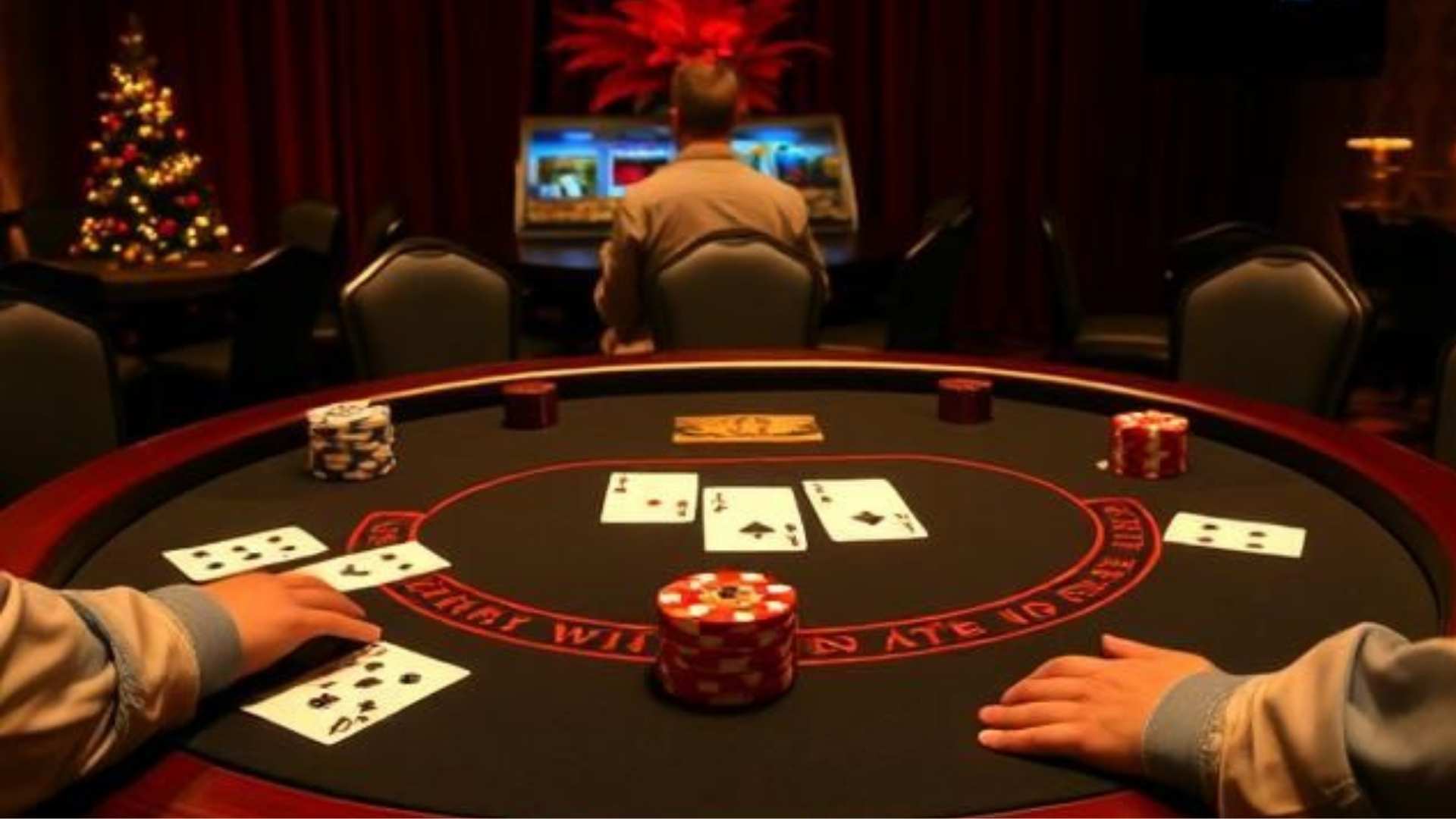
Mastering competitive card games requires shifting your mental focus away from the absolute strength of your own hand and toward the entire table dynamic. Novice players often experience unnecessary losses because they only analyze the cards they hold, completely ignoring the subtle clues provided by their surrounding opponents. Developing this broader situational perspective allows you to make strategic decisions based on incomplete information with far greater accuracy.
The Illusion of Absolute Hand Value
Many developing competitors mistakenly believe that holding premium combinations is the only reliable path to achieving consistent victories at the table. In reality, the absolute strength of your cards is completely relative to what your opponents might be holding at any given moment. By shifting your analytical attention to historical patterns and situational variables, you can accurately deduce whether your current holdings are truly ahead.
Observing how other individuals react to specific community layouts helps eliminate emotional guesswork from your regular strategy sessions. When you stop obsessing over your personal holding, you unlock the strategic ability to manipulate the flow of the entire game. This critical mental transition separates casual enthusiasts from truly dominant tactical players who control the narrative of every hand.
Decoding Opponent Ranges and Tendencies
To think effectively beyond your own holdings, you must train your mind to assign a realistic range of potential hands to your rivals. Instead of trying to guess their exact hidden cards, analyze their table positions and overall betting frequencies throughout the session. This systematic approach allows you to narrow down their likely options and anticipate their next movements during crucial moments.
For individuals looking to test these analytical adjustments online, exploring platform options like M88 togel provides an engaging environment to observe diverse playing habits. Tracking whether an opponent plays conservatively or aggressively helps you formulate efficient counter-strategies that maximize your long-term success. Gathering this critical data over multiple rounds ensures your tactical decisions are always backed by logic rather than sudden impulses.
The Strategic Value of Board Texture
The layout of the community cards dealt onto the board serves as a vital map for calculating potential table risks. Certain card structures heavily favor the person who initiated the pre-flop aggression, while other coordinates favor the passive caller. Recognizing these mathematical frequencies prevents you from making costly strategic mistakes when the pressure begins to mount.
Additionally, utilizing your physical seat location grants you a significant information advantage before you commit any chips to the pot. Acting late in a betting round lets you monitor everyone else's checks, hesitations, or sudden raises. This tactical cushion allows you to execute powerful bluffs or maximize your value bets with complete confidence.
Cultivating an Authoritative Table Presence
Your personal reputation at the felt directly influences how your opponents will interpret your sudden aggressive movements. If you consistently maintain a quiet and selective history, your occasional raises will command immense respect from observant competitors. Maintaining this uniform demeanor effectively masks your structural vulnerabilities and keeps your rivals second-guessing their own cards.
Controlling your physical tells and betting speed is absolutely essential for reinforcing the strategic narrative you choose to project. Consistent execution ensures that your tactical story remains highly believable to the rest of the table, regardless of your actual holdings. Ultimately, true mastery lies in controlling the general table perception rather than relying entirely on the luck of the draw.