The Mental Difference Between Patience And Passive Waiting
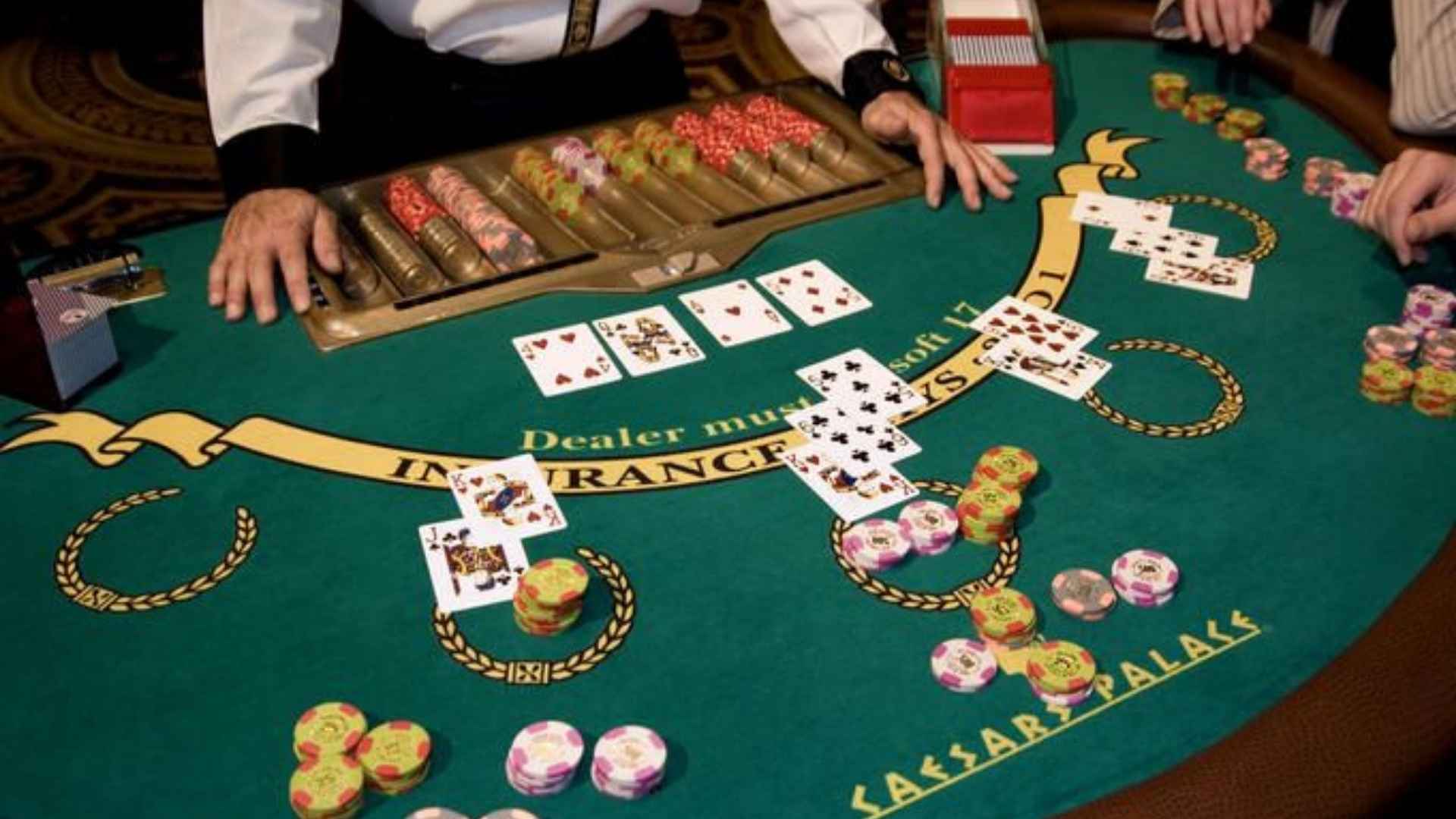
Many people often treat patience and passive waiting as the exact same behavioral state because both appear quiet on the surface. However, psychological analysis reveals that these two mindsets operate on fundamentally opposing principles of cognitive engagement and emotional control. Understanding how active discipline differs from simple hesitation provides critical clarity for decision-making in high-stakes environments.
The Active Mindset of Strategic Patience
Strategic patience is far from idle inaction; it represents an intentional state of heightened awareness and emotional restraint. When individuals exercise patience, they actively gather information and calculate future opportunities while holding back premature reactions. This deliberate control allows thinkers to preserve their resources until the optimal moment presents itself.
Unlike pure inaction, strategic waiting requires ongoing cognitive work and continuous risk assessment. Individuals maintain focus on their overarching objectives without succumbing to short-term emotional impulses. This disciplined posture turns delay into a decisive competitive advantage.
The Traps of Passive Waiting and Hesitation
In contrast to deliberate discipline, passive waiting is typically rooted in fear, uncertainty, or cognitive paralysis. Individuals caught in passive delay often hope that circumstances will improve without taking any initiative to analyze the underlying dynamics. This state of mental drift leaves people vulnerable to external forces and missed opportunities.
Because passive waiting lacks structured intent, it frequently breeds anxiety and frustration over extended periods. Rather than evaluating risk, the mind becomes absorbed in doubt, leading to frozen decision-making processes. Recognizing this emotional trap is essential for shifting back into a position of proactive strategy.
Emotional Regulation Under Competitive Strain
The primary divider between these two states lies in how effectively an individual manages internal stress under pressure. True patience relies on emotional regulation to stay calm during volatile swings, preventing reckless mistakes caused by impatience. Passive waiting, however, exposes individuals to rising stress because they feel helpless against changing conditions.
In fast-paced environments like competitive card games, distinguishing calculated waiting from hesitation directly impacts long-term success. Many enthusiasts study modern strategies via m88 link mới nhất to better understand how top players time their actions effectively. Cultivating emotional composure ensures that every pause is driven by strategy rather than fear.
Transforming Inaction Into Purposeful Preparation
To convert passive delay into strategic patience, individuals must intentionally reframe how they utilize downtime. Instead of disengaging from the situation, the mind should focus on observing patterns, assessing opponent tendencies, and refining tactical plans. Every quiet moment can serve as a valuable window for gathering critical information.
By establishing clear decision criteria, one can eliminate the hesitation that leads to passive waiting. Knowing exactly what conditions trigger action transforms idle time into structured preparation. Ultimately, mastering this mental shift allows individuals to maintain complete control over their performance.