Tag: https://www.m88linkvn1.com

Developing Stronger Betting Discipline During Baccarat Play
Baccarat is often celebrated for its fast pace and straightforward rules, but this rapid sequence of hands can challenge even experienced enthusiasts. Maintaining self-control across multiple deals is essential to experiencing the game responsibly without falling into impulsive choices. Building structured habits helps transform emotional reactions into thoughtful, measured decisions during every active session.
Establishing Pre-Session Boundaries
Before taking a seat at a table, setting strict financial and time limits forms the foundation of sustainable play. Allocating a predetermined entertainment budget ensures that essential personal funds remain completely protected at all times. Sticking firmly to a planned exit time prevents mental exhaustion, which frequently leads to careless wagering decisions.
Dividing a session bankroll into smaller, fixed units creates a natural barrier against reckless behavior. This deliberate approach smooths out natural short-term variance while preserving overall emotional stability. Players who set clear boundaries before placing their first wager maintain far greater control over their gaming experience.
Recognizing and Managing Emotional Triggers
Emotional reactions during table play often stem from unexpected winning or losing streaks. Frustration can tempt individuals to increase their stakes rapidly in an attempt to recover losses, while excitement can foster overconfidence. Identifying these subtle shifts in mood allows players to step back before making hasty choices.
When encountering heightened emotions, taking a brief pause helps reset focus and restores analytical thinking. Pausing play creates distance from the immediate outcome, reinforcing a disciplined mindset. Learning to navigate emotional highs and lows ensures that betting choices remain grounded in logic.
Adhering to a Consistent Wagering Plan
A disciplined approach requires choosing a simple, sustainable strategy and sticking with it despite short-term outcomes. Consistency prevents players from switching methods impulsively, which often results in compounded mistakes. Staying committed to a clear baseline brings structure to every hand dealt.
Navigating modern platforms can be simplified by referencing reliable options such as m88 link mới nhất for convenient access to structured table environments. Utilizing stable platforms allows participants to dedicate their full attention to observing table dynamics. A consistent gaming environment supports structured decision-making without unwanted digital distractions.
Promoting Long-Term Focus and Patience
Developing true discipline is an ongoing process that improves with continuous practice and self-reflection. Reviewing previous sessions objectively helps highlight areas where impulse may have overridden original plans. Patience allows players to view baccarat as a series of independent events rather than a continuous trend.
Ultimately, long-term enjoyment relies on prioritizing sound bankroll management over short-term results. Cultivating self-control at the table translates into a calmer, more fulfilling gaming experience overall. Exercising steady patience remains the most effective tool for maintaining control during baccarat play.
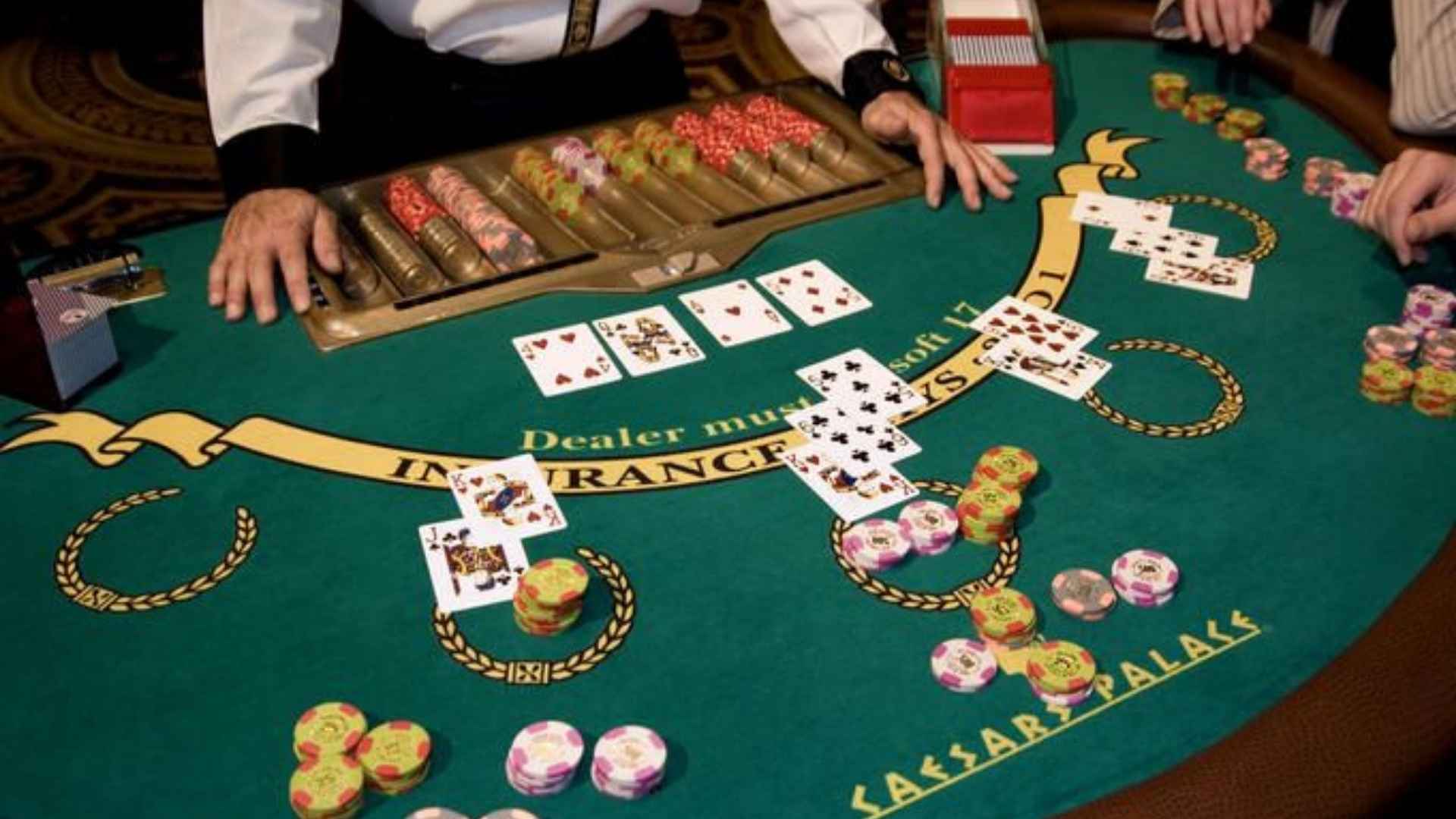
The Mental Difference Between Patience And Passive Waiting
Many people often treat patience and passive waiting as the exact same behavioral state because both appear quiet on the surface. However, psychological analysis reveals that these two mindsets operate on fundamentally opposing principles of cognitive engagement and emotional control. Understanding how active discipline differs from simple hesitation provides critical clarity for decision-making in high-stakes environments.
The Active Mindset of Strategic Patience
Strategic patience is far from idle inaction; it represents an intentional state of heightened awareness and emotional restraint. When individuals exercise patience, they actively gather information and calculate future opportunities while holding back premature reactions. This deliberate control allows thinkers to preserve their resources until the optimal moment presents itself.
Unlike pure inaction, strategic waiting requires ongoing cognitive work and continuous risk assessment. Individuals maintain focus on their overarching objectives without succumbing to short-term emotional impulses. This disciplined posture turns delay into a decisive competitive advantage.
The Traps of Passive Waiting and Hesitation
In contrast to deliberate discipline, passive waiting is typically rooted in fear, uncertainty, or cognitive paralysis. Individuals caught in passive delay often hope that circumstances will improve without taking any initiative to analyze the underlying dynamics. This state of mental drift leaves people vulnerable to external forces and missed opportunities.
Because passive waiting lacks structured intent, it frequently breeds anxiety and frustration over extended periods. Rather than evaluating risk, the mind becomes absorbed in doubt, leading to frozen decision-making processes. Recognizing this emotional trap is essential for shifting back into a position of proactive strategy.
Emotional Regulation Under Competitive Strain
The primary divider between these two states lies in how effectively an individual manages internal stress under pressure. True patience relies on emotional regulation to stay calm during volatile swings, preventing reckless mistakes caused by impatience. Passive waiting, however, exposes individuals to rising stress because they feel helpless against changing conditions.
In fast-paced environments like competitive card games, distinguishing calculated waiting from hesitation directly impacts long-term success. Many enthusiasts study modern strategies via m88 link mới nhất to better understand how top players time their actions effectively. Cultivating emotional composure ensures that every pause is driven by strategy rather than fear.
Transforming Inaction Into Purposeful Preparation
To convert passive delay into strategic patience, individuals must intentionally reframe how they utilize downtime. Instead of disengaging from the situation, the mind should focus on observing patterns, assessing opponent tendencies, and refining tactical plans. Every quiet moment can serve as a valuable window for gathering critical information.
By establishing clear decision criteria, one can eliminate the hesitation that leads to passive waiting. Knowing exactly what conditions trigger action transforms idle time into structured preparation. Ultimately, mastering this mental shift allows individuals to maintain complete control over their performance.